


The Art and Science of Wet Clean for Wedding Gowns
-
- October 30, 2025

Your Bridal Gown: Preserve Your Precious Memories
Wedding dress, especially those made of delicate fabrics like silk, satin, or lace, require special care. Wet cleaning uses a water-based process that is gentler on the fabric.
Professional methods require specialized equipment, techniques, and detergents.
How can you clean and store your wedding dress without spending a lot of money or risking damage?
Traditional dry cleaning is often expensive and can damage delicate pieces. Wet cleaning offers a smart solution.
This method uses water and mild soap to safely remove stains. This method is effective for most modern gowns.
In this guide, you’ll learn why wet cleaning is better than the old method.
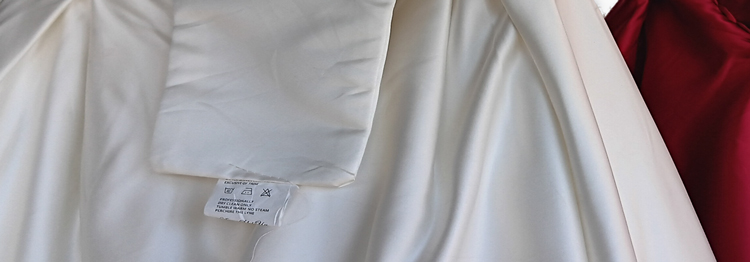

Why Wet Cleaning Is Essential! Learn the proper procedures and techniques.
Shella Laundry Surabaya
Wet cleaning is more than just washing—it’s a craft that respects the gown’s design, structure, and emotional value. Specialists treat each gown as a unique piece of wearable art:
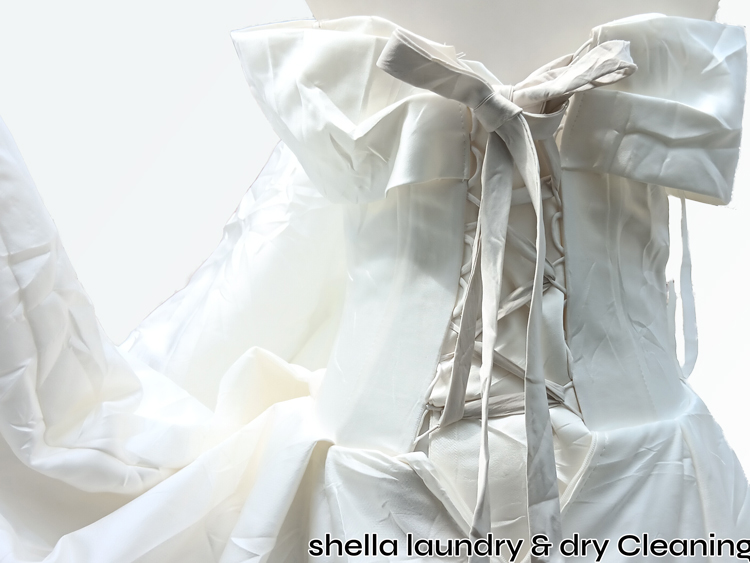
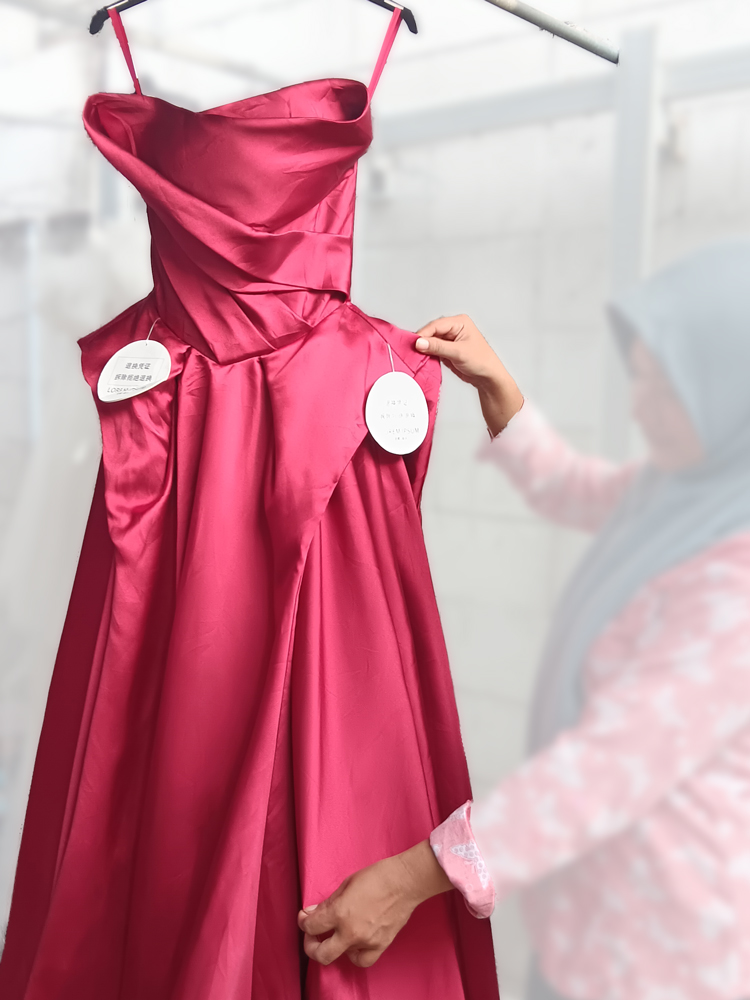
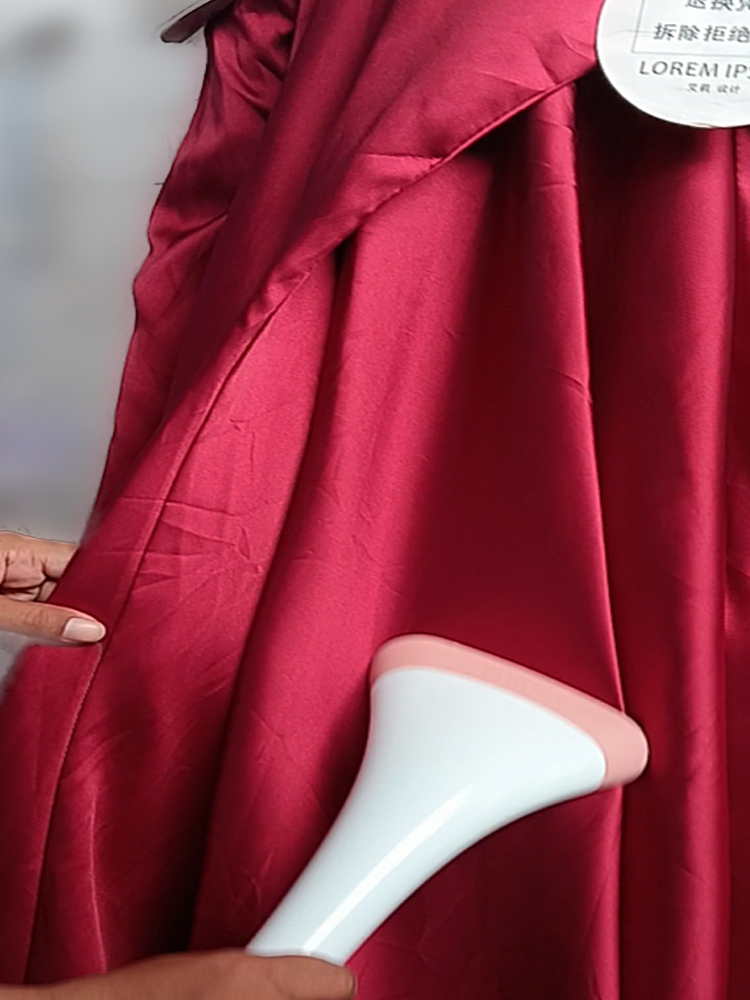
Initial Inspection:
A thorough inspection of the gown. This includes checking for stains, tears, or other visible damage. A professional cleaner will also assess the fabric type and any special care instructions provided by the bride or designer.
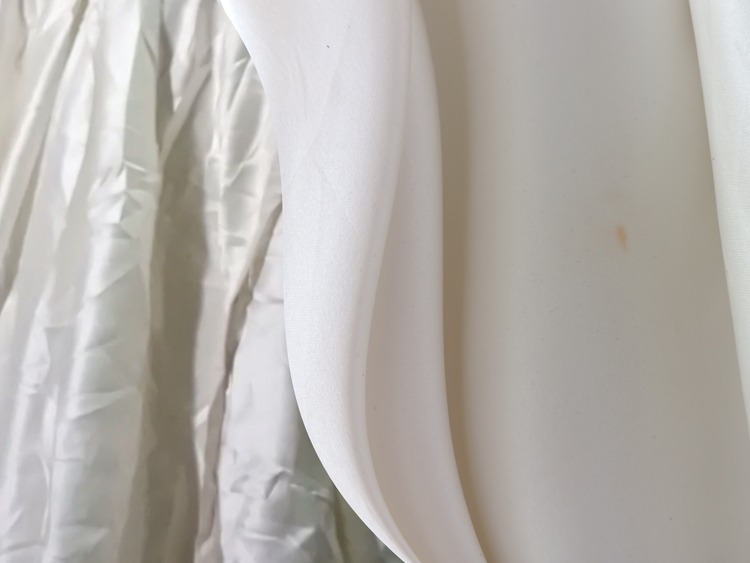
Pre-Treatment:
For visible stains, a pre-treatment step is necessary. This step involves using Gel BeZact Oxi Hunt stain remover or BeZact Powder to break down the stain.
Bezact detergent is very safe for almost all types of fabric, Bezact is an enzyme cleaner.
Soaking:
The gown is then soaked in a water-based solution that is specifically formulated for the type of fabric. This solution helps to loosen dirt and impurities without damaging the delicate fibers.
Hand Washing(Optional):
After soaking, the gown is carefully hand-washed using a mild detergent. This step requires a gentle touch to avoid stretching or distorting the fabric. The cleaner will use a combination of hand washing and machine washing techniques to ensure thorough cleaning.
Rinsing:
Once the gown has been hand-washed, it is rinsed thoroughly to remove any detergent residue. This step is crucial to prevent any soapy residue that could damage the fabric or cause skin irritation.
Drying:
The gown is then carefully dried. This often involves laying the gown flat on a clean, dry towel and allowing it to air dry. In some cases, a professional drying rack may be used to care the gown’s shape.
Optical brighteners enhance the visual whiteness and brightness of fabrics by absorbing ultraviolet (UV) light and re-emitting it as visible blue light, making materials appear cleaner and more vibrant.
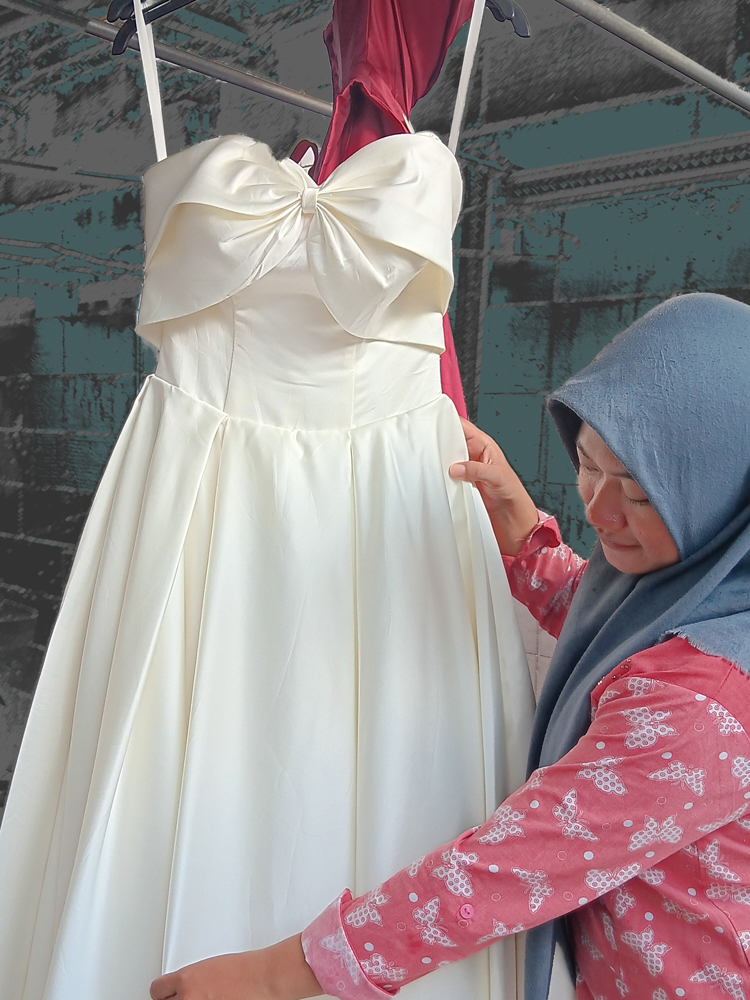
🌟 What Are Optical Brighteners?
Fluorescent whitening agents (FWAs), optical brighteners are chemical compounds added during textile processing or washing to:
-
- Counteract yellowing caused by aging, wear, or detergent residue
- Amplify brightness by shifting UV light into the blue spectrum
- Improve visual appeal of whites and light-colored fabrics
They are commonly used in:
-
- Cotton, polyester, nylon, and blends
- Laundry detergents, fabric softeners, and textile finishes.
Conclusion
Professional wet cleaning is an essential service for handling & Carrying the beauty and integrity of a wedding gown.
By understanding the importance of this process and following best practices, brides can ensure their gown looks stunning on their special day.
Whether it’s a vintage gown or a modern silk satin masterpiece, the meticulous care involved in wet cleaning helps preserve these precious gowns for years to come.
the art and science of professional wet cleaning of wedding gowns is crucial for ensuring these iconic gowns remain in tip-top condition.
By choosing a reputable cleaner and following these preparation tips, brides can enjoy the confidence that comes from knowing their gown will look as beautiful as the day they say, “I feel so confident & comfortable.”