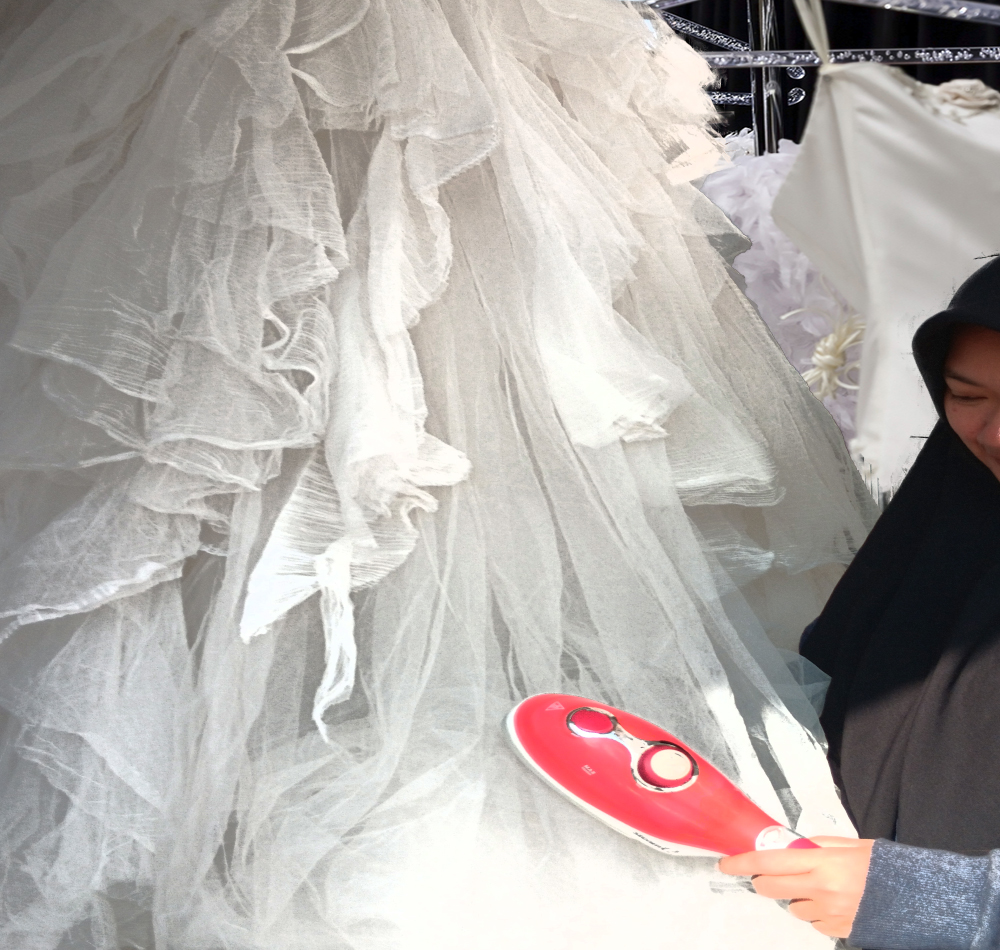
👰 Wedding & Party Dress Fabric Types
Wedding dress are available in a wide variety of materials, each offering unique textures, fabrics, and aesthetics, for a unique look, feel, and movement to suit different bridal styles.
A wedding dress is more than just a piece of fabric; it’s a symbol of love, tradition, and personal expression. From the delicate lace of Victorian gowns to the sleek lines of modern minimalist gowns, wedding dress materials and styles have varied greatly over time. Wedding dresses come in a wide variety of materials and styles, providing valuable insight into what makes each gown unique and suitable for different occasions and personal preferences.
The fit and flare style combines a fitted bodice with a flared skirt, creating a flattering and dynamic look. This style is versatile and can be tailored to suit various body types.
The sheath dress is a simple and elegant style, featuring a close-fitting bodice that flares out into a skirt that follows the natural contour of the body. This style is ideal for brides who want a classic and timeless look.
👗 Most local Surabaya Wedding Dress Designers
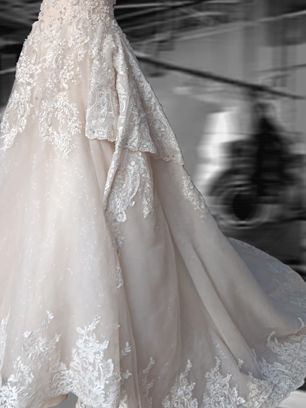
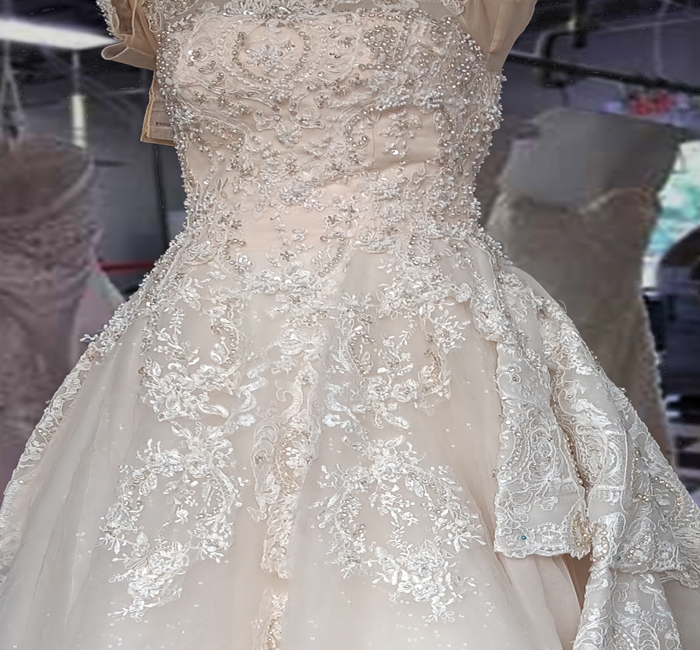
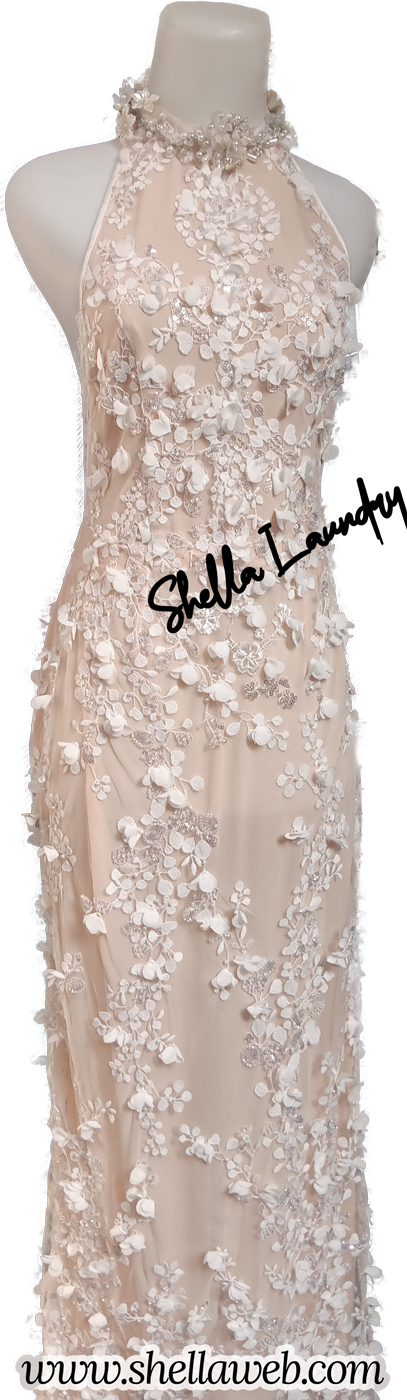
This custom-made wedding gown, made from a combination of silk and tulle, creates a graceful and elegant look. The design features intricate lace details and a dramatic train, highlighting the use of luxurious materials and a classic silhouette.
These designers are known for their attention to detail, high-end couture craftsmanship, and ability to tailor gowns to each client’s personality.
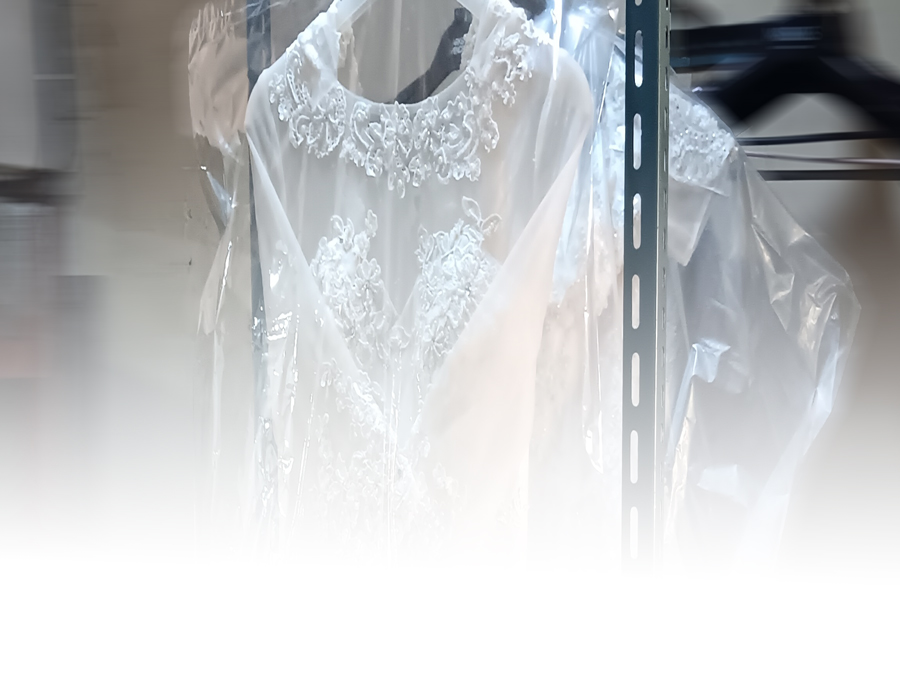
Wedding gowns are designed by a wide variety of designers—from global luxury fashion houses to local artisans. Here are some Surabaya designers and boutiques that have trusted Shella Laundry to care for their wedding and prom dresses in Surabaya:
- DEBBY KHOECustom Gown Surabaya
- Raveloux Surabaya
- Yulen Rent Gown Surabaya
Reference by Search Engine with keyword: “Rent Gown Surabaya“, An overview of wedding dresses by material, model (silhouette), and design style, so you can quickly understand what makes each dress unique:
Accessories such as veils, tiaras, and jewelry play a crucial role in completing a bridal look. Carefully removing these accessories is crucial to prevent damage and ensure the wedding dress remains in pristine condition.
Take enough time to remove the accessories and let them air dry. Rushing can lead to mistakes.
Laundry Express surabaya
👗 Removing Accessories & Initial Airing Wedding Dress
Removing accessories and airing your wedding dress is a crucial step in ensuring it looks its best. By understanding the importance of this process and following proper techniques, brides can maintain the integrity and beauty of their gowns.
Effective Stain Removal Techniques
Dry cleaners have a variety of chemicals that can easily remove those stubborn stains.
Cleaning agents target oil molecules, breaking them down so they can be easily removed from your clothes during the cleaning process.
The solvents used in dry cleaning penetrate deep into the fabric without causing color fading or material damage.
This is why delicate fabrics are often sent to professional dry cleaners rather than risking damage in a regular home washing machine.
Pre-lightening, which includes pre-treatment and stain removal, removes trapped odors, moisture, and dust. This step helps prevent mold or yellowing before cleaning or storage
🪟 How to Air the Dress
-
- Hang the dress on a padded hanger in a clean, dry room.
- Use a garment rack or door hook—never nail or wire.
- Avoid direct sunlight to prevent fading.
- Let it air for 6–12 hours, ideally with a fan or open window nearby.
Choosing between chemical dry cleaning and wet cleaning depends on several factors, including fabric type, cleaning needs, cost, and environmental considerations.
🧼 Chemical Dry Cleaning vs. Wet Cleaning
Chemical dry cleaning is ideal for delicate fabrics and deep cleaning, but it is more expensive and poses potential health and environmental risks.
Wet cleaning is more accessible, cost-effective, and environmentally friendly, but it may not be suitable for all fabrics and may not clean as thoroughly as dry cleaning.
| Agent |
Dry Clean |
Wet Clean |
Appearance |
| Solvent |
Perchloroethylene, Ethanolamine, hydrocarbon |
Glycol Ether, Distiller water |
A colorless liquid with a mild, sweet odor |
| Surfactant |
Chlorine derivative, Non-ionic |
Mixture Anionic & Non-Ionic |
Colorless liquid, White Paste & Powder |
| Wetting/Solvent |
Glycol Ether |
Glycol Ether |
Colorless liquid |
| Anti Fungal |
– |
Butyl, Sodium Benzoate & Sorbate |
white crystalline powder |
| Catalyze |
– |
Enzyme |
white crystalline powder |
🧪 Advantages and disadvantages Chemistry Dry Clean & Wet Clean
🧪 Chemistry Dry Clean
✅ Advantages
-
- No water exposure: Prevents shrinkage, color bleeding, and fabric distortion.
- Effective on oil-based stains: Solvents like perchloroethylene (perc) dissolve grease, makeup, and body oils.
- Safe for delicate fabrics: Ideal for silk, wool, cashmere, and heavily embellished garments.
- Preserves garment structure: Maintains shape and texture of tailored or structured clothing.
❌ Disadvantages
-
- Chemical exposure: Perc is a strong solvent and may leave residue or odor; some types are environmentally hazardous.
- Limited stain removal: Less effective on water-based stains like wine, sweat, or sugar.
- Cost and availability: Requires specialized equipment and trained professionals.
🧪 Chemistry Wet Clean
✅ Advantages
-
- Eco-friendly: Uses water and biodegradable detergents—no toxic solvents.
- Better for water-based stains: Removes perspiration, food, and drink stains more effectively.
- Gentle on skin and environment: No chemical residue or harsh fumes.
❌ Disadvantages
-
- Shrinkage risk: Water can cause some fabrics to shrink or lose shape if not properly controlled.
- Not ideal for all fabrics: Embellished or structured garments may be damaged.
- Requires precision: Needs expert handling of temperature, moisture, and agitation.
Understanding the chemistry behind these methods can help you make the right decision based on the fabric type and specific cleaning needs.
Whether it’s a delicate wool suit or a sturdy cotton shirt, choosing the right cleaning method ensures your clothes stay in good condition for longer
Embroidery hides dirt deep. Beads catch oxidation from air. The blast reaches those nooks. No fraying happens. Your fancy outfit revives crisp. Pick pros with restoration know-how. Ask about their work on beaded items. That ensures safe handling.
You don’t do this at home. But knowing the steps helps you guide pros. Follow along for a smooth process.
Laundry Express Surabaya
Gentle Removal of Embedded Dirt and Oxidation
Pros set up the cabinet first. They test pressure on a scrap fabric. Your gown goes in. Particles swirl around for 20 to 40 minutes. They pause to check progress. Adjust for heavy dirt areas. End with a vacuum to clear bits. You Just wait for the reveal.
While laundering is essential, there is a risk of damaging the dress if not done correctly.
Over-washing, using harsh detergents, or improper drying techniques can lead to fabric weakening, color fading, or even tearing delicate elements like lace or embroidery.
Many wedding dresses are made from delicate fabrics such as silk, satin, or lace, which can be prone to damage if not handled properly. Laundering with care can help preserve the fabric’s integrity, maintaining its texture, color, and overall appearance. Spotting stains on a wedding dress involves identifying and addressing various types of stains that may appear on the fabric. Common stains include food, drink, perspiration, and other organic substances. To spot stains effectively, it is crucial to identify the type of stain and choose the appropriate cleaning method.
Laundering a wedding dress ensures that it is clean and hygienic, which is especially important if the dress will be worn again for future events. Removing bacteria, dust, and other contaminants helps maintain the dress’s cleanliness and prevents potential damage from dirt buildup.
You don’t do this at home. But knowing the steps helps you guide pros. Follow along for a smooth process.
Laundering. (2017) Laundry Express surabaya. (Accessed: 04 October 2025).
Ironing & Steaming
Wedding dresses are often the epitome of elegance and grace, embodying the bride’s dreams and aspirations. However, the intricate details and delicate fabrics used in these gowns can make them susceptible to wrinkles and creases. Proper ironing and steaming are essential to ensuring your wedding dress looks perfect on your special day.
- Use a steam iron with an adjustable heat setting. A flat iron is also useful for detailed areas.
- Set the iron to the appropriate temperature based on the fabric type. For silk, set the iron to a low heat setting. For satin, medium heat is usually appropriate.
- Steam Setting: Use the steam function on your iron to help relax the fabric and remove wrinkles. Hold the iron a few inches from the fabric and move slowly to avoid overheating.
- Layer by Layer: Iron the dress section by section. Start with the bodice, then move to the skirt and hem. Use a gentle touch and avoid pressing too hard.
- Avoid Direct Contact: To prevent the iron from damaging the fabric, place a thin cotton cloth between the iron and the dress.
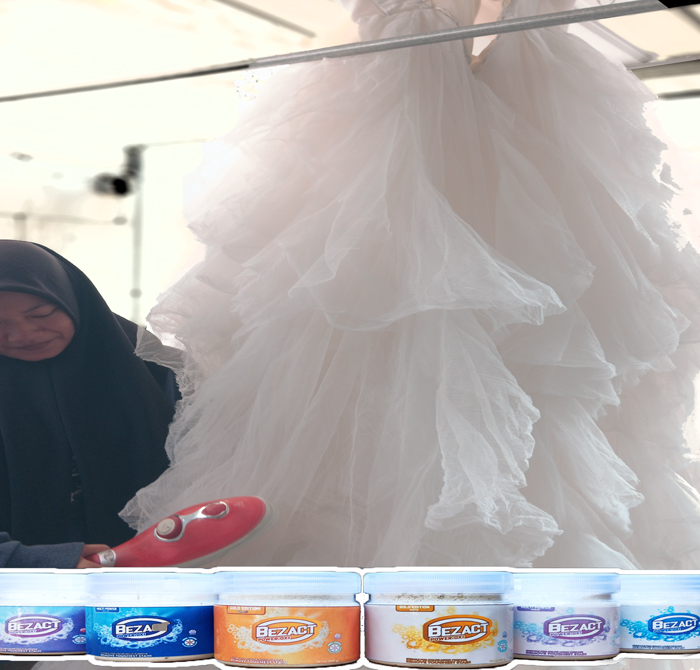
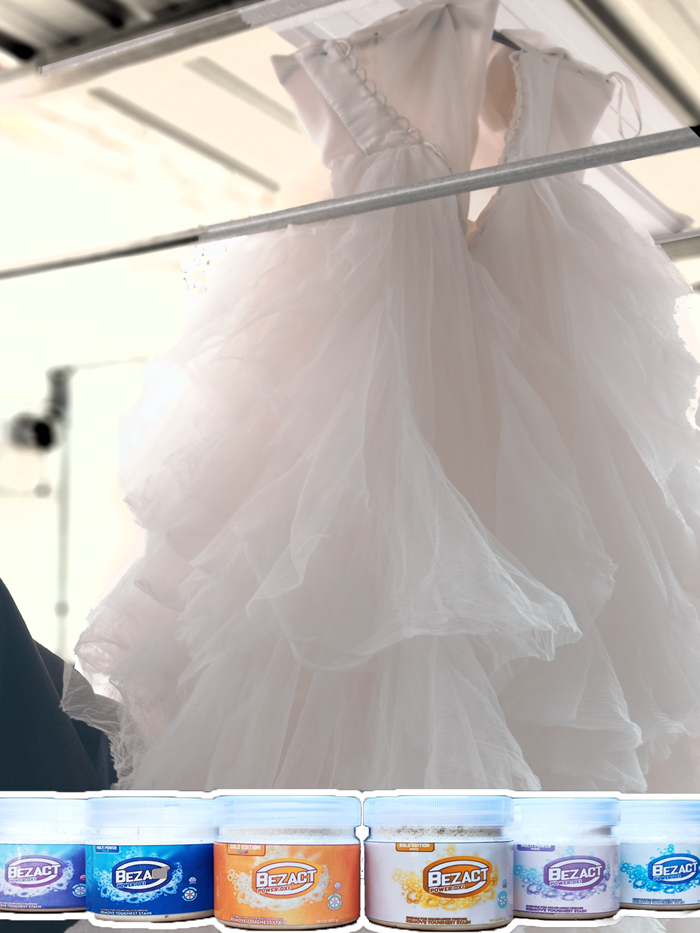
Reviving wrinkles from a wedding dress using steam is one of the safest and most effective methods—especially for delicate fabrics like chiffon, tulle, lace, and organza
💨 How to Steam a Wrinkled Wedding Dress
🧺 Step-by-Step Guide
-
- Hang the Dress Properly
- Use a padded hanger to avoid stretching the shoulders.
- Hang in a clean, upright space—ideally on a garment rack or door hook.
-
- Fill the Steamer
- Use distilled water to avoid water spots or mineral buildup.
- Let the steamer heat up fully before use.
- Start Steaming
- Begin from the inside out or steam the underside of the fabric.
- Keep the steamer 6–12 inches away from the dress.
- Move in slow, vertical strokes, letting the steam relax the fibers.
- Focus on Wrinkled Areas
- Pay attention to the hem, train, and bodice.
- Avoid direct steam on beading, sequins, or glued embellishments.
- Let It Air
- After steaming, let the dress hang for 30–60 minutes to fully dry and settle.
Ironing and steaming your wedding dress are essential skills that can make a significant difference in the appearance and longevity of your special gown. By understanding the material, properly preparing your dress, and using the right techniques, you can ensure your gown looks perfect when worn and remains beautiful for years to come.
Looking care
Party dress cleaning before shipped or rental.