


Seni Cara Mencuci Wet Cleaning Kebaya Tradisional: Tata Cara Lengkap
-
- November 15, 2025

Desain Kain: Seni Kerajinan
Busana model kebaya tradisional modern merupakan Perpaduan benang antara Malaysia dan Jakarta menjadi satu kain yang berwarna cerah.
Gaun Kebaya tradisional modern adalah suatu wujud keterampilan akan desain.
Pakaian tersebut memiliki ciri khas akan siluetnya yang elegan, pas, dan detail yang complicated.
Pemilihan kain memiliki peran penting dalam desain, seperti sutra, batik, dan songket sebagai pilihan yang paling populer.
Pencucian wet cleaning Kebaya Tradisional adalah pilihan terbaik untuk mengatasi noda membandel, menghilangkan kerutan, & membersihkan secara detail menggunakan sabun khusus bebas residu dengan metode enkapsulasi.
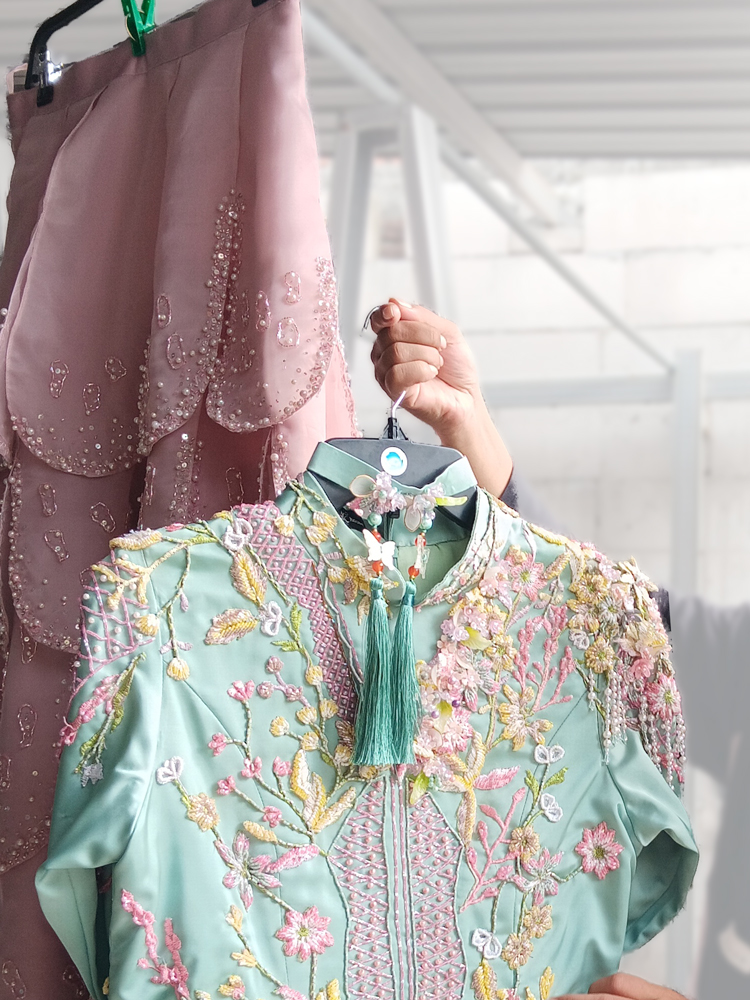
Di Jakarta, kebaya Jawa lebih menyukai warna gelap dan kerah kaku untuk memberikan kesan formal.
Pada model terbaru meliputi kancing tersembunyi dan lapisan dalam yang lebih ringan untuk kenyamanan. Ini adalah pilihan utama untuk acara-acara kedutaan, memancarkan keanggunan.
Para desainer biasanya memperkecil bagian pinggang untuk tampilan yang anggun, sambil tetap mempertahankan bobot budayanya. Gaya ini membisikkan kekuatan dalam nada yang tenang.
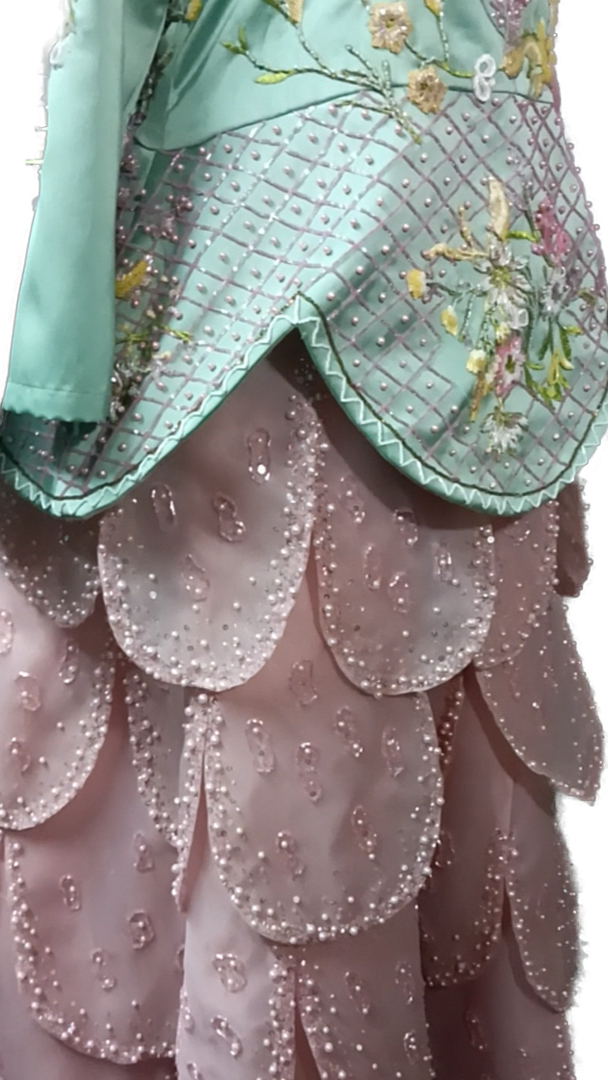
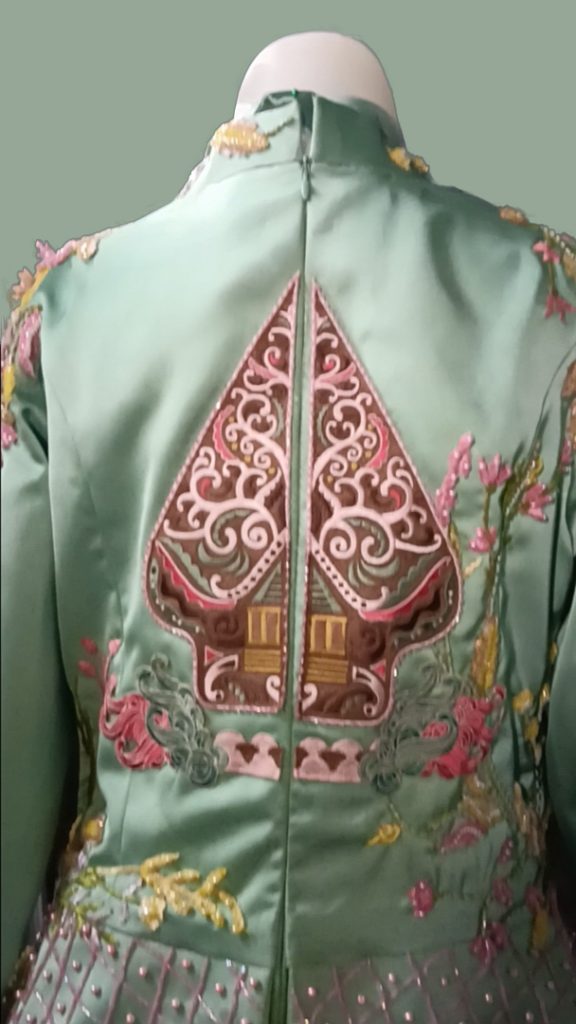
Meskipun dry cleaning sering direkomendasikan, wet cleaning adalah metode lembut berbasis air yang dapat dilakukan secara profesional dengan teknik yang tepat.
🧼 Why Wet Cleaning Traditional Kebaya? Atasi noda membandel dengan detergen ajaib berbahan dasar air sambil menjaga kain halus tetap aman.
Unlike dry cleaning’s chemical blasts that can damage delicate threads, this method uses a gentle, specialized water solution.
Ini bukan mesin laundry rumahan biasa—anggap saja ini sebagai spa profesional untuk pakaian. wet cleaning artinya pembersihan mendalam tanpa repot, sempurna untuk barang-barang kesayangan Anda yang tak tergantikan.
Water holds the key to beating stains that laugh at regular dry methods.
Noda membandel seperti minyak atau lumpur seringkali membutuhkan air untuk membersihkannya. Pencucian dry cleaning tidak menggunakan air, sehingga sulit untuk menangani tumpahan yang mengandung air.
Wet Cleaning menggunakan detergent khusus yang dapat mengangkat dan membersihkan noda dengan mudah. Metode ini ideal untuk:
- Menghilangkan keringat, minyak tubuh, dan noda ringan.
- Menyegarkan kain tanpa bahan kimia berbahaya.
- Mempertahankan daya tahan pakaian jika dilakukan dengan benar.
Menghilangkan kerutan dari gaun tradisional modern dengan aman, itu adalah bagian dari proses pencucian wet cleaning kebaya tradisional, gunakan setrika uap dengan suhu rendah, lakukan dengan hati-hati menggunakan kain penekan, atau semprotan penghilang kerutan yang lembut—selalu disesuaikan dengan jenis kainnya.
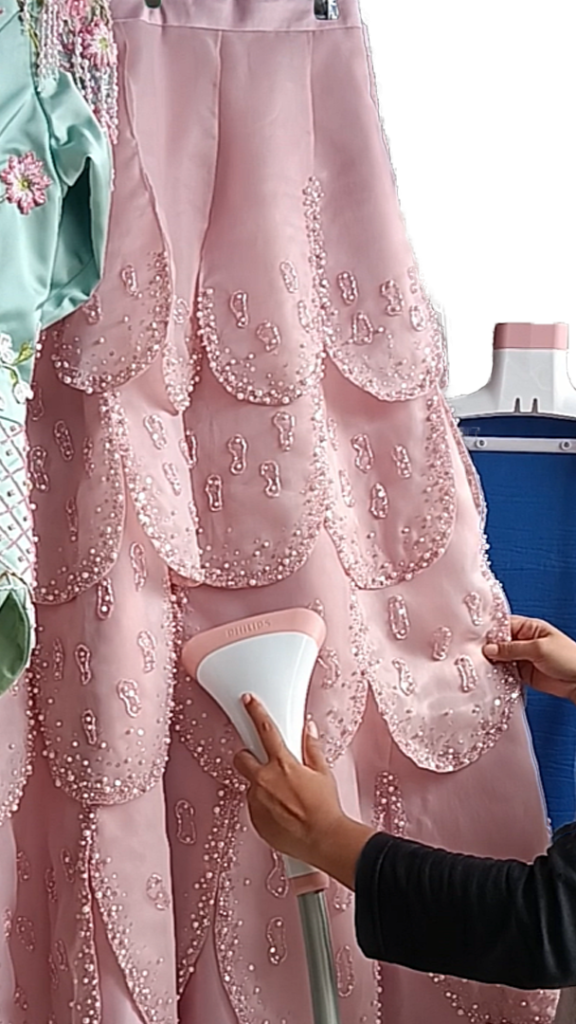
👗Langkah-Langkah untuk Menghilangkan Kerutan pada Kebaya Tradisional Modern
Gaun tradisional modern seringkali menggabungkan kain-kain halus seperti renda, brokat, satin, atau sifon dengan potongan kontemporer. Berikut cara menghaluskan gaun tersebut tanpa merusaknya:
-
- 🧺 Periksa Label Kain
- Selalu baca label perawatan sebelum mengaplikasikan
- Beberapa jenis kain (seperti sutra atau brokat berhias) mungkin hanya memerlukan pembersihan atau steaming yang profesional.
- 💨 Gunakan Setrika Uap (Pilihan Terbaik)
- Gantung gaun tersebut pada gantungan khusus
- Gunakan setrika uap genggam pada pengaturan terendah.
- Jaga jarak setrika uap sekitar 2–3 inci dari kain. Gerakkan setrika uap ke bawah, biarkan uap merilekskan serat kain. Ideal untuk kain renda, sifon, dan kain bordir.
- 🧴 Cobalah Cairan Penghilang Kerut
- Semprotkan sedikit cairan penghilang kerutan pada gaun tersebut.
- Tarik dan ratakan kain dengan lembut menggunakan tangan Anda. Biarkan mengering dengan cara digantung.
- Sangat cocok untuk perbaikan cepat dan keadaan darurat saat bepergian.
- 🧼 Setrika dengan Hati-hati
- Gunakan pengaturan panas rendah (pengaturan untuk kain sutra atau sintetis). Letakkan kain penekan (seperti sapu tangan katun) di antara setrika dan gaun.
- Hindari menyetrika langsung pada manik-manik, payet, atau renda. Setrika dari dalam ke luar jika memungkinkan.
- 🚿 Shower Steam Hack (No Tools Needed)
- Hang the dress in the bathroom while taking a hot shower.
- Close the door to trap steam.
- After 10–15 minutes, gently smooth the fabric with your hands. Works well for light wrinkles
- 🧺 Periksa Label Kain
🧠 Pro Tips
Never wring or twist delicate fabrics. Store dresses in breathable garment bags to prevent wrinkles.
Untuk lipatan yang membandel, konsultasikan dengan layanan laundry profesional, terutama untuk pakaian pusaka atau pakaian bernilai tinggi.
Menangani noda membandel pada kebaya tradisional membutuhkan ketelitian, kesabaran, dan teknik yang tepat untuk melindungi kain dan hiasan yang halus, baik itu brokat, renda, satin, atau motif lainnya.
🧼 How to Remove Stubborn Stains from Traditional Kebaya
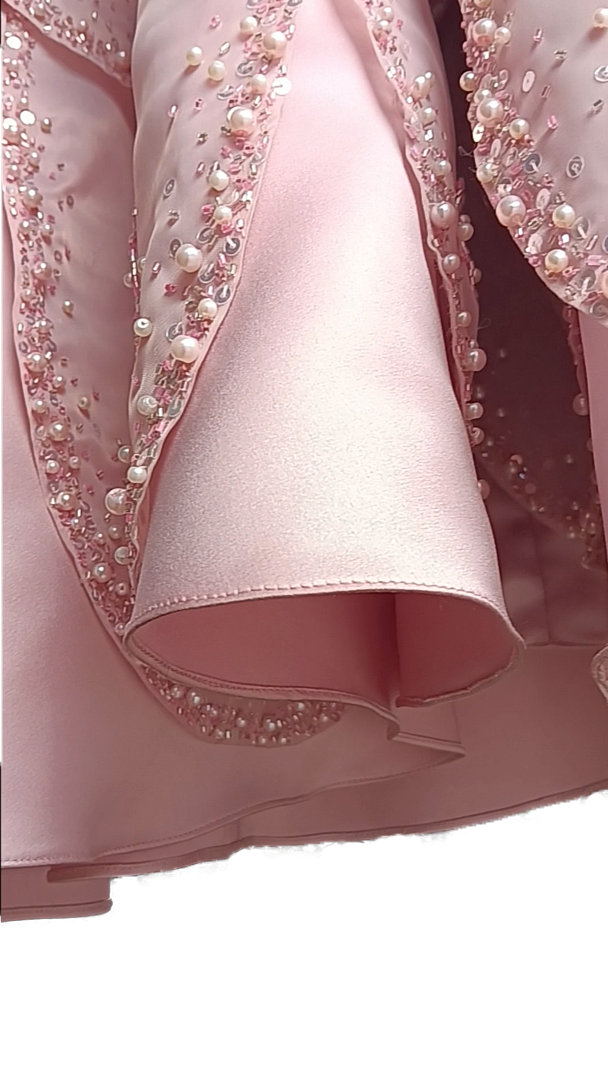
🪷 1. Identifikasi jenis noda
-
- Berbasis minyak: Riasan, makanan, minyak tubuh. Berbasis protein: Keringat, darah.
- Berbasis tanin: Teh, kopi, anggur
- Berbasis pewarna: Tinta, pewarna batik
Mengetahui jenis noda akan membantu Anda memilih penanganan yang tepat atau berkonsultasi dengan ahli yang terpercaya. Shella laundry layanan pembersihan terkait masalah ini.
🧪 2. Teknik Perawatan Spotting
🔹 Noda-Berbasis Minyak
-
- Gunakan satu sendok deterjen bubuk Bezact yang dicampur dengan dua liter air panas, lalu semprotkan pada area yang bernoda.
- Diamkan selama 15-30 menit agar meresap ke dalam noda minyak
- Gosok dan usap perlahan dengan kain yang dicelupkan ke dalam larutan deterjen.
🔹 Noda-Berbasis Protein
-
- Gunakan kuas cat dan oleskan BeZact OXY Hunt ke noda atau Anda dapat menggunakan pembersih yang berbahan enzimatik.
- Bilas dengan lembut dan keringkan dengan diusap usap
🔹 Noda-Berbasis Tanin
-
- Campurkan cuka dan air (rasio pengenceran 1:2).
- usap perlahan dengan kain lembut—jangan pernah digosok dengan kasar.
- Bilas dengan air bersih dan keringkan
🔹 Noda-Berbasis Pewarna
-
- Gunakan alkohol gosok atau penghapus cat kuku non-aseton pada kapas.
- Uji coba terlebih dahulu di area tersembunyi.
- Tepuk perlahan dan keringkan dengan kain bersih.
🧠 Pro Tips
Bersihkan noda sesegera mungkin untuk mencegahnya menempel dilapisan dalam. Selalu uji coba pada area kecil terlebih dahulu sebelum menggunakan pembersih apa pun. Untuk kebaya yang berhias banyak, pertimbangkan untuk membersihkannya secara profesional untuk menghindari kerusakan.
Pemeriksaan akhir setelah pencucian wet cleaning kebaya tradisional sangat penting untuk memastikan pakaian tersebut bersih, tidak rusak, dan siap untuk disimpan atau dikenakan.
Langkah ini melindungi kain kebaya yang halus dan hiasan yang rumit.
✅ Final Inspection Checklist: Wet Cleaning Traditional Kebaya
- 👁️ Inspeksi Visual
- Periksa apakah masih ada noda yang tersisa: Perhatikan dengan saksama di bawah cahaya alami untuk melihat apakah masih ada noda atau perubahan warna yang tersisa.
- Periksa hiasannya: Pastikan manik-manik (payet), payet, dan sulaman dalam keadaan utuh dan tidak longgar atau hilang.
- Periksa jahitan dan sambungan: Cari benang yang berjumbai, longgar, atau tertarik.
- 🖐️ Pemeriksaan Taktil
- Periksa kekakuan atau residu: Jika kain terasa kaku atau lengket, mungkin perlu dibilas secara perlahan
- Periksa pengeringan yang merata: Pastikan tidak ada area yang masih lembap, terutama di sekitar jahitan atau bagian yang berlapis.
- 🧺 Bentuk dan Struktur
- Periksa bentuk pakaian: Pastikan kebaya mempertahankan siluet aslinya dan tidak mengerut atau melar.
- Lengan dan bagian bawah gaun: Pastikan keduanya menggantung rata dan tidak melengkung atau berkerut.
- 🌬️ Pengecekan Bau
- Cium kainnya: Seharusnya berbau segar atau netral. Bau apak atau asam mungkin menandakan pengeringan yang tidak sempurna atau sisa deterjen.
- 🧴 Sentuhan Akhir
- Setrika Listrik atau Setrika uap: Gunakan setrika listrik dengan suhu rendah dan kain penekan atau setrika uap untuk menghaluskan kerutan.
- Sisir sutra atau brokat dengan lembut: Gunakan sikat lembut untuk mengangkat serat dan mengembalikan tekstur jika perlu.
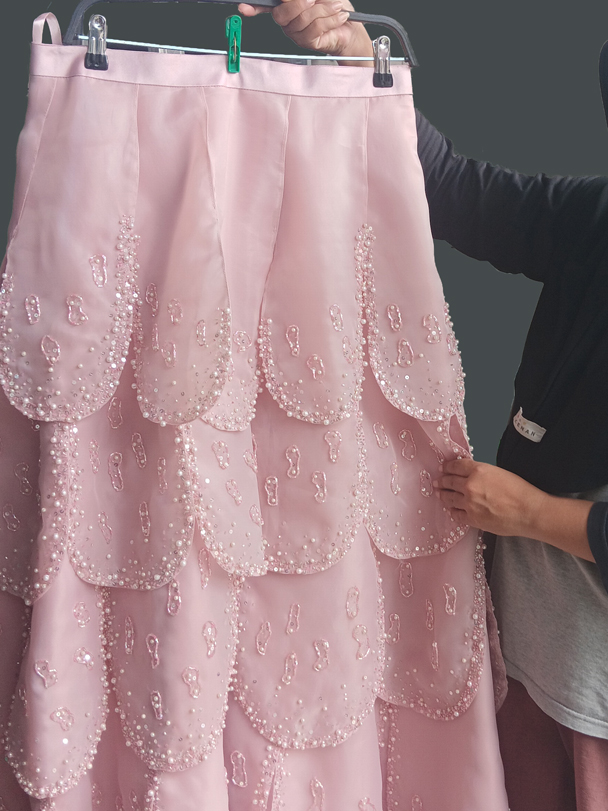
Saksikan video tentang bagaimana Shella Laundry & Dry Cleaning melakukan pencucian wet cleaning profesional pada kebaya tradisional, 100% Bebas Residu, Mengurangi Kerutan & Menghilangkan Noda Membandel dengan Aman.
Any Question Leave Comment or Contact shella laundry
Shella laundry
3 bulan agoBerapa harga Bezact powdernya gan
Udin
3 bulan agoini cara nyucinya gmn gan?