


Comprehensive guide to removing color stains clothes
- Shella laundry
- Oktober 24, 2025

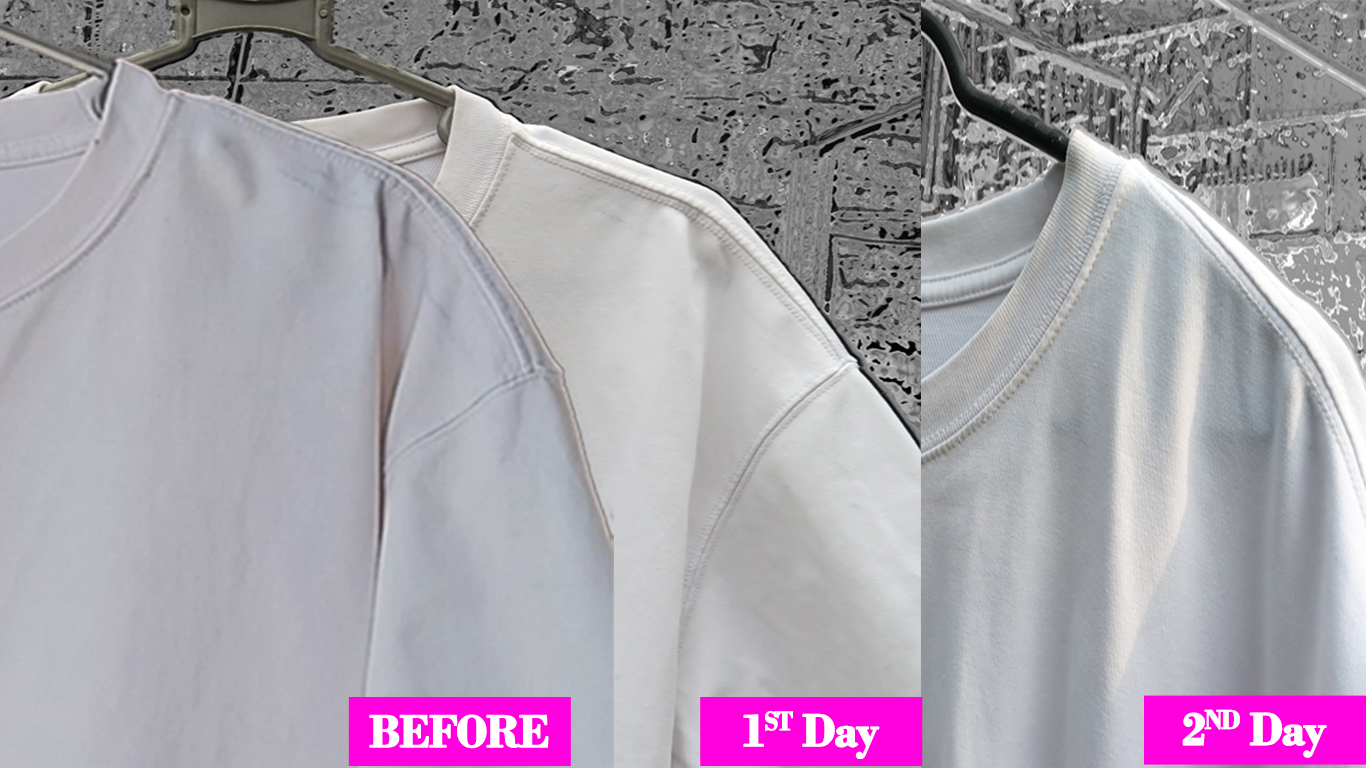
Removing Color stains
Removing color stains (also called dye transfer stains) from clothes can be tricky, but it’s definitely doable with the right approach.
Dye transfer stains are a common problem, especially on colored clothing and textiles. These stubborn stains can be particularly annoying because they often appear when brightly colored clothing bleeds onto adjacent fabrics.
Whether it’s a newly dyed sweater or a pair of jeans, seeing a dye transfer stain can be incredibly frustrating.
This article will guide you through the process of removing color stains, providing detailed steps, helpful tips, and real-life examples to ensure your fabrics stay bright and stain-free.
🧼 How to Remove Color Stains from Clothes?
Before discussing the stain removal process, it’s important to understand what dye transfer stains or color bleeding are on clothing.
Dye transfer stains occur when dye from one fabric transfers to another.
These stains can appear during washing, drying, or even when clothes are stored together.
The most common culprits are brightly colored synthetic fabrics, such as polyester and nylon, which tend to fade more easily than natural fabrics like cotton and wool.
🎨 Why color clothes can Bleed
To understand why clothes fade, it’s important to understand the basics of how dyes work.
Dyes are chemical compounds that bind to fabric fibers, imparting color. There are two main types of dyes: reactive dyes and direct dyes.
- Reactive dyes form a strong bond with the fabric fibers, typically used for cotton, linen, and other natural fibers. These dyes are highly durable and often used in high-quality garments. However, they can also be more prone to bleeding if the washing conditions are not optimal.
- Direct dyes are less permanent and are often used for synthetic fabrics like polyester. While they are generally less likely to bleed compared to reactive dyes, they can still transfer color under certain circumstances.
The quality of the dye used in the garment plays a significant role in color bleeding.
Low-quality dyes may not bond as strongly to the fabric, making them more likely to transfer to other garments during washing.
High-quality dyes(e.g. jacquard procion), on the other hand, are designed to be more permanent and less likely to bleed.
🧼 Step-by-Step Reduce Color Stains
🔹 Step 1: Act Quickly
- Do not dryDon’t wait until the clothes that have been stained with dye transfer color dry – heat will make the color stick permanently.
- Keep the fabric wet until treatment begins.
🔹 Step 2: Separate & Inspect
- Remove the stained clothes from the washing machine.
- Use Bezact Detergent and soak the stained clothes or Consult Shella Laundry immediately.
🔹 Step 3: Choose Your Cleaning Method
🧪 How It Works
- The formula contains active ingredients that break down loose dye molecules that have transferred during washing.
- It works best on fresh dye stains, before they’ve been heat-set by a dryer.
- Safe for colorfast fabrics, meaning it won’t strip the original color from properly dyed garments
🟠 For White Clothes
Oxygen bleach soak (e.g., Bezact STD, GOLD,PRO):
- Mix 1 scoop with warm water in a basin.
- Soak for 8–12 hours, then rinse and died under sun.
Chlorine bleach (under certain condition):
- Add ½ cup to wash cycle with detergent.
- Rinse thoroughly.
BeZotic Color Remover
- Cut open the sachet and dissolve the powder in about 6 liters of the hottest water the fabric can tolerate.
- Soak for 30–60 minutes, stirring occasionally.
🔵 For Colored Clothes
- Use color-safe oxygen bleach (no chlorine).
- Soak for several hours, then wash with cold water.
- Avoid harsh scrubbing to prevent fading.
⚠️ Important Notes
- Not suitable for silk, wool, leather, or synthetic fabrics like polyester.
- Always check care labels and test on a hidden area if unsure.
- Works best when used immediately after the dye transfer occurs.
The following article reduces color stains on cotton & polyester clothing based on the care label.
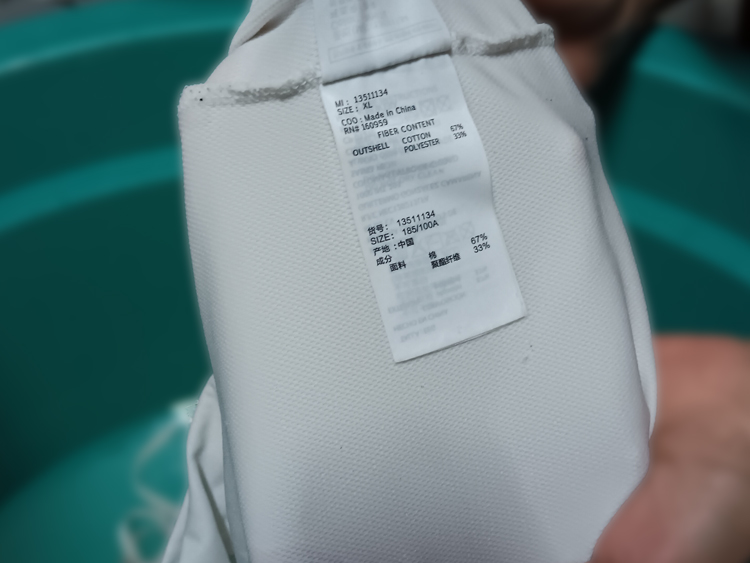
BeZact works during soaking by using a powerful combination of sodium percarbonate (a compound of hydrogen peroxide and soda ash) to lift stains, brighten fabrics, and remove odors. Here’s how it works and why soaking is so effective:
🧪 How BeZact Works During Soaking Reduces Dye Stains
1. Activation in Water
When mixed with water, BeZact is formulated with a mixture of Sodium Percarbonate and Enzymes to release oxygen bubbles that help break down dirt and organic stains.
The reaction creates a gentle bleaching effect without damaging most fabrics – 💯Safe.
2. Extended Contact Time
Soaking allows the active ingredients to penetrate deep into fibers, loosening stubborn stains like:
- Sweat
- Wine
- Grass
- Blood
- Dye transfer – Color Bleed
3. Safe Whitening
Unlike chlorine bleach, BeZact is color-safe and won’t damage most dyed fabrics.
It’s especially effective on whites and light-colored clothes.
🧼 How to Soak with BeZact for Reduces Color Stain
- Fill a basin or tub with warm water (not boiling).
- Add BeZact powder:
- Use about 1 scoop per gallon of water.
- Stir to dissolve completely.
- Submerge clothes and soak for 1–6 hours (or overnight for tough stains).
- Rinse and launder as usual.
- Repeat this step if the stain is stubborn.
BeZact can remove color stains like Dye transfer or discoloration, Bezact is oxygen and enzyme based so it reacts optimally see Performance Highlights Superior stain removal of Bezact
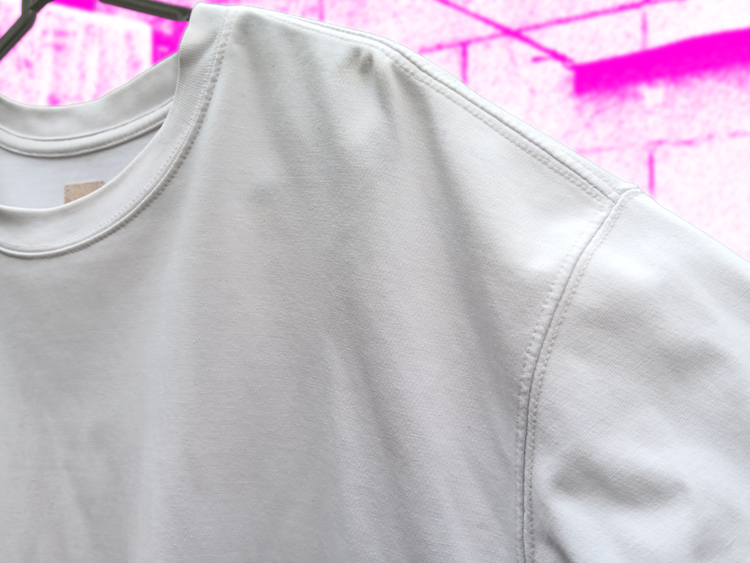
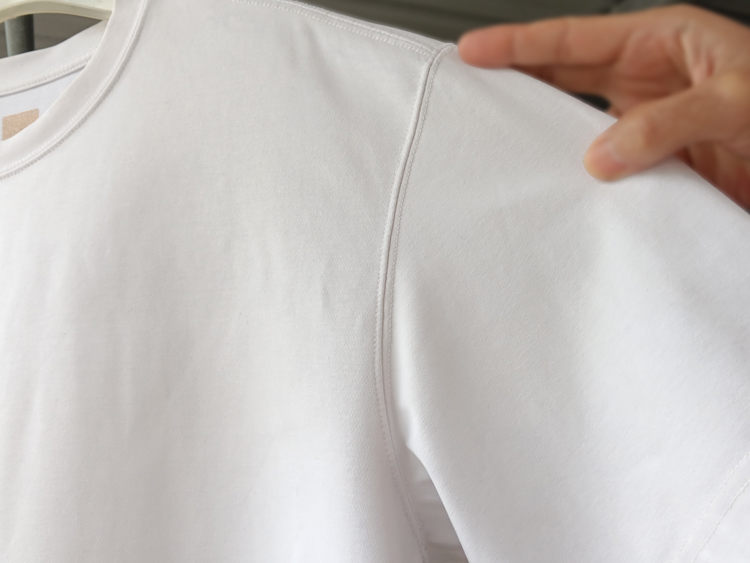
The results of treating Color stains, especially those caused by dye transfer or pre-existing discoloration, vary depending on the type of fabric, the age of the stain, and the method of treatment.
🧼 Typical Outcomes After Treatment Color Stains
✅ Best-Case Results
Completely removed stain: This is especially common with new stains and is treated immediately using oxygen bleach (such as BeZact), colorfast remover (BeZotic), or a specialized stain remover.
Fabric restored to original color: Whites regain brightness, and light-colored garments lose the unwanted tint.
⚠️ Moderate Results
Stain lightened but not gone: Older or heat-set stains may fade significantly but still leave a faint shadow.
Color distortion: Some treatments may slightly alter the original fabric color, especially if the item isn’t colorfast.
❌ Limited Results
Stain remains: If the dye has bonded deeply into the fibers or the garment has been dried, removal may be unsuccessful.
Fabric damage: Overuse of harsh chemicals or bleach can weaken fibers or cause yellowing.