

Professional vs. DIY Sofa and Couch Cleaning
- Shella laundry
- Oktober 14, 2025

🛋️ The Most Popular & Most Sought After Types of Sofas
Sofa Cleaning, First, identify the types of materials and types, here are the most common types you will encounter.
Sofas come in a wide variety of styles, each designed to suit different spaces, aesthetics, and comfort needs.
here are the most common types you’ll encounter.
- Sectional Sofa
- Chesterfield Iconic design with deep button tufting and rolled arms.
- Loveseat A compact two-seater sofa.
- Sleeper Sofa (Sofa Bed)
- Recliner Sofa
- Tuxedo Sofa
- Camelback Sofa
- Bridgewater Sofa
- Cabriole Sofa
- Divan
The use of detergent on fabric is very important, as is the washing method.
🧵 Most Popular Sofa Materials
The material a sofa is made of can significantly impact the aesthetics and functionality of a room. Sofa Cleaning and care depend on the material. Here are some common sofa material types:
Natural Fabrics
- Cotton: Breathable and soft, but prone to stains and wrinkles.
- Linen: Lightweight and elegant, best suited for low-traffic areas.
- Wool: Warm and durable, often blended with synthetic materials for easier care.
- Synthetic Fabrics Polyester: Very durable, stain-resistant, and affordable.
- Acrylic: Fade-resistant and mildew-resistant, often used for outdoor furniture.
- Microfiber: A type of polyester, soft and excellent at resisting stains.
- Luxury Materials Leather: Durable and stylish, easy to clean but can be expensive.
- Velvet: Luxurious and elegant, although it requires more care to maintain its texture.
🧼 Professional sofa cleaning versus DIY
While there’s generally no difference in methods and techniques, the following article will help you choose the right laundry sofa service for needed. Here’s a clear comparison of professional and DIY sofa cleaning.
| Feature | 🧑🔧 Professional Cleaning | 🧽 DIY Cleaning |
|---|---|---|
| Effectiveness | Deep cleaning with industrial equipment and stain-specific solutions | Good for surface dirt and fresh spills |
| Stain Removal | Targets deep-set stains (e.g. wine, ink, pet urine) with specialized chemicals | Limited to mild or recent stains |
| Fabric Safety | Technicians assess fabric codes (W, S, WS, X) and test for colorfastness | Risk of damage if wrong cleaner is used |
| Drying Time | Fast drying with air movers and controlled moisture | May take longer if over-wet or poorly ventilated |
| Convenience | Full-service: inspection, cleaning, drying, and grooming | Requires time, effort, and correct tools |
| Odor & Allergen Removal | Removes embedded odors, dust mites, and allergens | Surface-level freshness only |
Always check your sofa’s fabric code (W, S, WS, X) before using any cleaner. Test it on a hidden area first to avoid discoloration or damage.
Want a DIY cleaning checklist tailored to your sofa type or help booking a professional cleaner in Surabaya? Shella Laundry is ready to help.
🧼 Step-by-Step Guide to Laundry a Polyester Sofa Bed
Professional dry cleaners always choose the safest methods! Cleaning a polyester sofa bed.
You might be wondering how to wash a sofa?
There are two methods: maintenance and washing. Restoration is a Repairing step, but most dry cleaners not provide.
This method won’t damage the sofa’s interior, including the sponge, glue, and inner ribs.
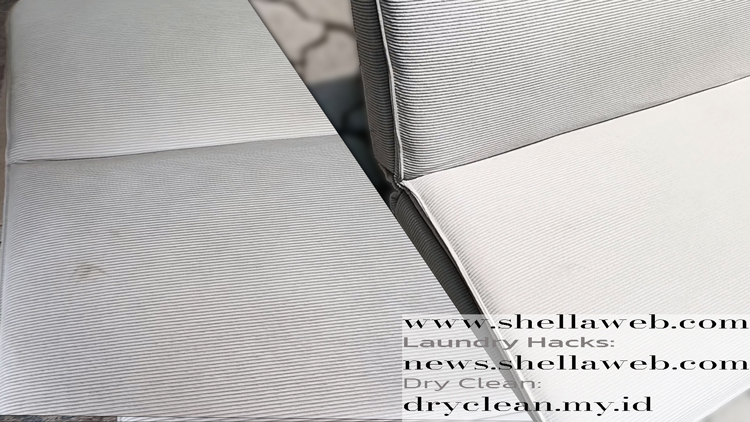
- Check the Fabric Code
Look for a tag under cushions or on the frame:- W = Water-based cleaners
- S = Solvent-based cleaners
- WS = Either
- X = Vacuum only
This determines which cleaning method is safe.
- Vacuum Thoroughly
- Use an upholstery attachment to remove dust, crumbs, and pet hair.
- Get into seams, crevices, and under cushions.
- Spot Cleaning
- Light Stain Bezact Detergent
- Mix 1 tsp mild dish soap with 2 cups warm water.
- Dip a microfiber cloth into the solution and blot stains gently.
- Rinse with a damp cloth and blot dry.
- For oily stains, sprinkle baking soda, let sit 15 minutes, then vacuum.
- Heavy Stain OXI Hunt
- Use Paint Brush
- Light Stain Bezact Detergent
- Deep Cleaning Methods
- 🔹 Dry Foam Shampoo( Use BeZend)
- Apply foam evenly across the surface.
- Gently agitate with a soft brush or Gently Brush with Rotary Machine.
- Let dry completely, then vacuum.
- 🔹 Encapsulation Cleaning
- Spray polymer solution and agitate lightly.
- Let dry into crystals, then vacuum.
- Leaves no sticky residue and slows re-soiling.
- 🔹 Dry Foam Shampoo( Use BeZend)
🧪 Recommended Detergents for Sofa-Bed Polyester Upholstery
Detergents used for cleaning polyester sofa beds typically contain surfactants, solvents, and stabilizers that are gentle on synthetic fibers while effectively removing dirt, oils, and stains.
- Surfactants (Cleaning Agents – Long Alkyl Chains)
- Nonionic surfactants (e.g., alcohol ethoxylates): Break down oils and fats without leaving residue, meaning they are worked as biodegradable. However, this is highly dependent on the carbon chain content.
- Anionic surfactants (e.g., sodium lauryl sulfate): Help lift dirt and particles from fabric.
These are the primary cleaning agents that reduce surface tension and allow water to penetrate stains.
- Solvents
- Glycol Compounds or Alcohol Compounds: Function to dissolve oily residue and evaporate quickly. Used in spot cleaners and dry foam shampoos for polyester.
- Builders and pH Buffers
- Sodium citrate or sodium carbonate: Adjust pH and soften water to improve cleaning efficiency. Help maintain a neutral or slightly alkaline pH, which is safe for polyester.
- Enzymes (Optional)
- Protease, amylase, lipase: Break down organic stains like food, sweat, or pet messes.
- Found in enzyme-based cleaners like BeZact detergent any version.
- Preservatives and Stabilizers
- Anti-fungal: Prevents the growth of microbes in liquid detergents. Ensure shelf stability and safety.
- Fragrance and Dyes
- Often minimal or absent in upholstery-safe formulas to reduce irritation and staining. Look for “fragrance-free” or “clear” labels if sensitivity is a concern.
Shella Laundry uses Bezact detergent to Laundry sofa-bed Polyester type. See the Oxi Hunt & Bezact detergent key technology page.
Removing stubborn stains from sofa beds—especially those made of polyester, which is very susceptible to fading from harsh chemicals. requires a strategic approach to avoid damaging the fabric while effectively removing the stain.
🧼 Step-by-Step: Removing Stubborn Sofa-Bed Stains
- Identify the Stain Type
Different stains require different treatments:- Oil-based (grease, makeup): Needs a degreaser or solvent.
- Protein-based (blood, food, sweat): Enzyme cleaner works best.
- Tannin-based (coffee, wine, juice): Use mild acid like vinegar or a tannin remover.
- Dye-based (ink, marker): Alcohol-based cleaners or acetone (test first!).
- General Cleaning Method
- 🔹 Materials Needed:
- White microfiber cloths or paper towels
- Mild dish soap or upholstery-safe detergent
- Warm water
- Soft-bristle brush
- Optional: baking soda, vinegar, rubbing alcohol, or enzyme cleaner
- 🔹 Instructions:
- Blot, don’t rub: Gently blot the stain with a dry cloth to absorb as much as possible.
- Apply cleaner: Use a solution of warm water + mild dish soap (or a targeted cleaner based on stain type).
- Agitate gently: Use a soft brush or cloth to work the cleaner into the stain.
- Rinse: Dampen a clean cloth with water and blot to remove residue.
- Dry: Blot with a dry towel and allow to air dry. Use a fan to speed up drying.
- 🔹 Materials Needed:
- For Set-In or Persistent Stains
- Enzyme Cleaner (e.g., BeZact any version, Oxi Hunt): Great for organic stains and odors.
- Rubbing Alcohol: Effective on ink or dye stains—dab with a cotton ball, then blot.
- Baking Soda Paste: Mix with water, apply to stain, let sit, then vacuum once dry.
Yes, acidic solutions like white vinegar or lemon juice can help neutralize odors—especially alkaline ones like pet urine, smoke, or mold.
Acid treatment involves using acids to break down and dissolve organic and inorganic materials.
Common acids used in cleaning include hydrochloric acid (HCl), sulfuric acid (H2SO4), and citric acid (C6H8O7).
These acids work by chemically reacting with contaminants, breaking them down into simpler, more easily rinsed substances.
🐾 Step-by-Step Guide: Removing Pet Urine & Odor from a Sofa-Bed
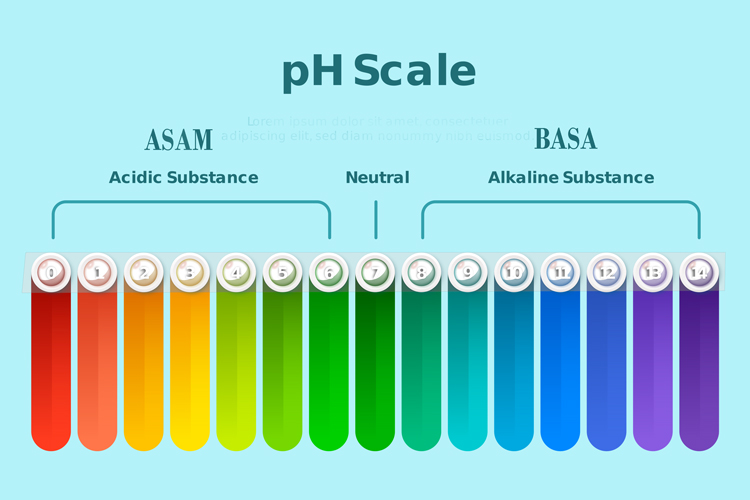
Acidic solutions such as vinegar and citric acid effectively reduce odors by neutralizing alkaline compounds, disrupting odor-causing molecules.
Hydrogen Peroxide(H₂O₂) is not strongly acidic, but it does exhibit mildly acidic properties in solution.
⚗️ Chemical Profile of Hydrogen Peroxide
- pH Level: Typically around 4.5 to 6.5, depending on concentration and purity.
- Acidity Source: When dissolved in water, H₂O₂ can release protons (H⁺), making the solution slightly acidic.
- Behavior: It acts as both an oxidizing agent and a weak acid, which is why it’s useful for disinfecting, bleaching, and breaking down organic stains.
🧪 Why It Matters for Cleaning
Its mild acidity helps neutralize alkaline residues (like ammonia in pet urine).
The oxidizing power breaks down organic molecules, making it effective for removing stains and odors.
Safe for many surfaces, but can bleach fabrics—always test first.
⚠️ Safety Tips
- Use 3% hydrogen peroxide for household cleaning.
- Avoid mixing with vinegar or bleach—this can produce harmful gases.
- Store in a dark container to prevent decomposition
🧪 Why Acidic Solutions Work Against Odors
Odors from sources like pet urine, sweat, smoke, and mildew often contain alkaline compounds such as ammonia or amines.
Acidic cleaners neutralize these bases through chemical reactions that break down the odor molecules.
🧠 Pro Tips Reducing Odors
For persistent odors (e.g., pet urine), use an enzyme cleaner first, then follow with an acidic rinse to neutralize any remaining alkaline residue.
🧼 Practical Applications
- BeZact Powder any Version
- Mix 1 tea spoon BeZact Powder with 2 liters Warm water.
- Mist on upholstery, carpets, or hard surfaces.
- Let sit 10–15 minutes, then blot or rinse.
- BeZact OXI Hunter (White or Blue Color)
- Use a paintbrush and apply it to the stain.
- Dip the brush in water and scrub gently.
- Let it dry for 10-15 minutes.
- Safe for many surfaces, but may bleach fabrics—always test first.