


Choosing Wet Clean or Machine Care for Bed Covers
-
- November 2, 2025


🧼 Wet Cleaning vs. Machine Washing: Which Is Better for Bed Covers?
Wet Cleaningis superior to standard machine washing for bed covers because it uses specialized equipment, gentle cycles, and fabric-specific detergents that protect delicate materials, reduce shrinkage, and improve stain removal—especially for oversized or sensitive fabrics.

Wet Cleaning involves using water and premium detergent to remove dirt and stains.
This method is often used for delicate or high-quality fabrics that may not withstand the mechanical stress of a washing machine.
-
- Gentle on Fabrics
- Better Stain Removal & Detailing Spot
- Eco-Friendly and Hypoallergenic
- Ideal for Oversized Items
Machine Care, on the other hand, uses a washing machine to clean the fabric. While practical and suitable for many types of bed covers, this method may not always be the best choice for all materials.
🧠 When You Should choosing Wet Cleaning, While Jumbo or large size & Delicate materials or blended fabrics!
Wet Cleaning more deeper cleaning without harsh chemicals.
Beware with harsh Chemical such as (e.g., Sodium hypochlorite or Bayclin)
🧼 Wet Cleaning vs. Machine Washing: Why Wet Cleaning Wins
Wet Cleaning refers to the process of cleaning fabrics using water and special detergents. This method is often contrasted with dry cleaning, which uses chemical solvents instead of water. While both methods aim to clean and freshen linens, wet cleaning has several distinct advantages that make it a preferred choice for many.
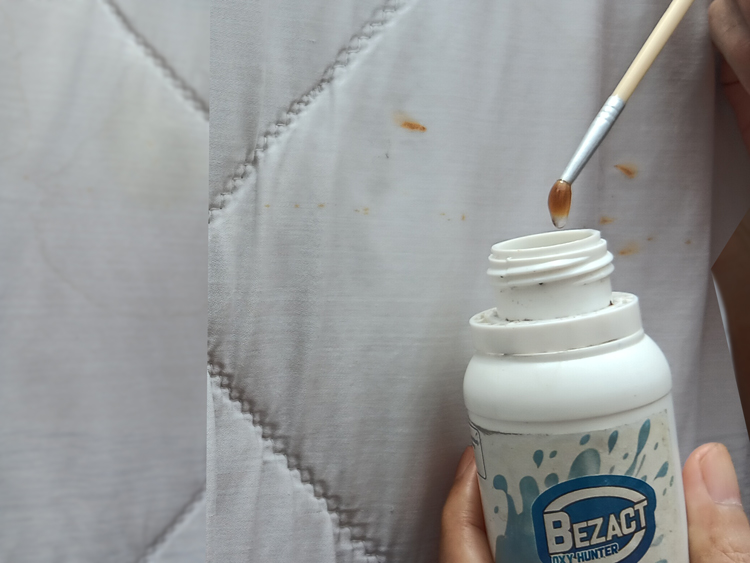
Several Reason Why Wet Cleaning?
- Environmentally Friendly.
- Cost-Effective.
- Gentle on Fabrics.
- Deep Cleaning Capabilities.
- Effective Against Stains and Allergies.
- Preservation of Fabric Quality
- Maintaining Color and Texture
- Convenience and Accessibility
Standard detergents for washing machines generally use stronger surfactants and additives for all-round cleaning, while wet cleaning detergents are formulated with gentler, biodegradable ingredients tailored for delicate fabrics and controlled wash systems.
Wet cleaning is a deep-cleaning method that uses water-based, fabric-safe detergents and controlled agitation to remove embedded dirt, allergens, and stains
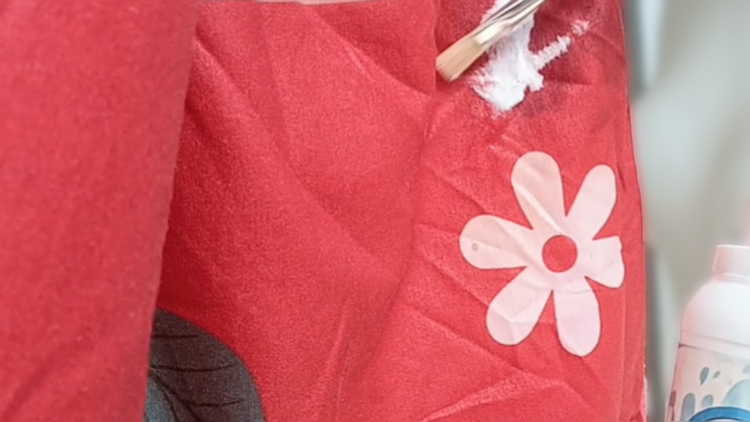
To remove stains from a bed cover, identify the stain type, pre-treat with the appropriate cleaner (enzyme, acidic, or degreaser), and wash using a gentle cycle or manual soak.
🧼 Step-by-Step Guide to Removing Bed Cover Stains
- Identify the Stain Type
- Different stains require different treatments:
- Protein-based (blood, sweat, food): Use enzyme cleaner or hydrogen peroxide, Better use OXI Hunt.
- Tannin-based (coffee, tea, wine): Use white vinegar or lemon juice, Recommended use Bezact Any version wit warm water.
- Oil-based (makeup, lotion): Use dish soap or degreaser, Very safe using Bezact Detergent with Hot water.
- Dye-based (ink, marker): Use rubbing alcohol or acetone (test first!).
- Different stains require different treatments:
- Pre-Treatment
- Blot the stain—never rub, which spreads it.
- Apply the appropriate cleaner: Enzyme cleaner for organic stains (e.g., BeZact any version).
- Vinegar solution (1:2 vinegar to water) for acidic treatment, DIY solutions.
- Dish soap for greasy stains. Let sit for 10–30 minutes.
- Wash Carefully Machine wash on gentle cycle with cold or lukewarm water.
- Use mild detergent—avoid bleach unless fabric allows.
- For jumbo covers, consider manual soaking in a large tub.
- Rinse and Dry
- Rinse thoroughly to remove all residue.
- Air dry in shade or tumble dry on low heat.
- Ensure full drying to prevent mildew.
Air drying bed covers in sunlight is better because it naturally kills bacteria, reduces odors, saves energy, and preserves fabric quality
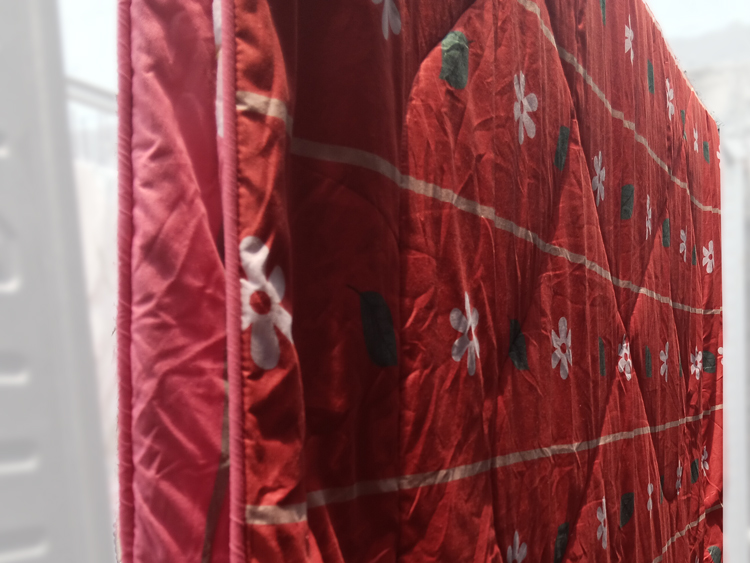
🌞 Benefits of Air Drying Bed Covers in Sunlight
What are the benefits of UV light or the photobleaching process, and this has been discussed in the article How to Whiten Yellowed Clothes with UV Light.
- Natural Disinfection
- UV rays from sunlight have antimicrobial properties that help kill bacteria, dust mites, and mold spores.
- This is especially useful for thick or quilted bed covers that trap moisture and allergens.
- Odor Elimination
- Sunlight helps neutralize musty or body odors without chemical sprays.
- Fresh air circulation also removes lingering detergent or sweat smells.
- Fabric Preservation
- Air drying is gentler than machine drying, which can cause shrinkage, fading, or damage to stitching.
- Sun drying avoids high heat exposure, preserving the texture and color of delicate fabrics.
- Energy Saving No electricity needed—eco-friendly and cost-effective.
- Ideal for households without access to large-capacity dryers.
- Scandinavian Sleep Hack
- Inspired by Nordic routines, airing bedding outdoors is a wellness trend that promotes freshness and hygiene